Category Archives: Photography

Lake Mungo and Mungo Man

When I read back over this piece it seems stilted and formal, not my usual “voice”. I wonder why. Perhaps the scale of the history and the complexity of the environment have lead me to a distance caused in part by awe. I cannot be too familiar and breezy with such spiritual country. Sands in the hour glass.
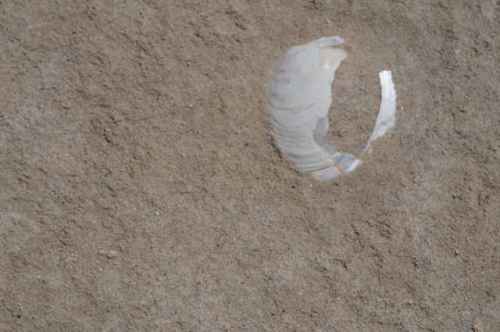
Shells from the dreamtime can still be found in the sands of Lake Mungo

Shells from the dreamtime can still be found in the sands of Lake Mungo

A special place, a place where aboriginal peoples have lived since the dreamtime….

As the National Parks people rightly say: “The vast spaces, big skies and earthen colours evoke a sense of endurance that reaches over the horizon to times long gone but with us still.”

Looking from the lunette back across the dry lake bed

Looking from the lunette back across the dry lake bed

More than 40,000 years ago, Aboriginal peoples lived around the shores of Lake Mungo in the south west of New South Wales somewhere between what is now Mildura and Broken Hill. The road in is unsealed and impassable after heavy rains.

Were people of the region ever contemporaneous with the mega fauna that roamed before the previous ice age? No-one knows this or the exact dates spanning human occupation. Debate continues. In 1969 the cremated remains of a woman were found near the dry river bed and in 1974 the skeleton of what we know as Mungo Man was unearthed; he was later dated at more than 42,000 years – perhaps the most important human remains in Australia.

Mungo Man’s remains were taken to the Australian National University, Canberra and now it seems he is finally on his way home. A journey that many believe could be the beginning of a major healing process for the first peoples.

http://www.abc.net.au/news/2015-11-06/anu-apologises-as-mungo-man-returned-to-traditional-owners/6919712

A cutting through the

A cutting through the “Wall”

How lucky am I? In October with friends I fulfilled a bucket list wish and visited Lake Mungo. To set the scene, the lake is now a dry lake bed in Mungo National Park. It is one of 17 dry lakes in the Willandra Lakes chain. The whole is listed on the World Heritage Register.

The Walls of China are a 33 kilometre run of loosely cemented sand dunes along the eastern side of the lake bed. In places the wind and rain has created fascinating dune formations. Westerly winds, rabbits and sheep grazing of earlier times have caused “breaks” in the whitish dunes or “lunettes” and in the sand crust, shell remains can be seen. Tools and bones have also been discovered, as have ancient footprints.
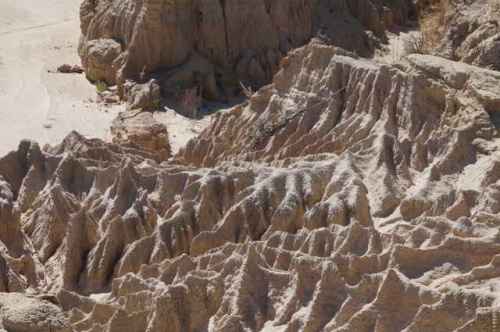
A fragment of the 33 k long

A fragment of the 33 k long “Walls of China”

winds blow the sand westerly leaving lightly

Winds blow the sand westerly leaving lightly “cemented” outcrops standing. In a layer of this geology bones, tools, ovens, middens have been found.
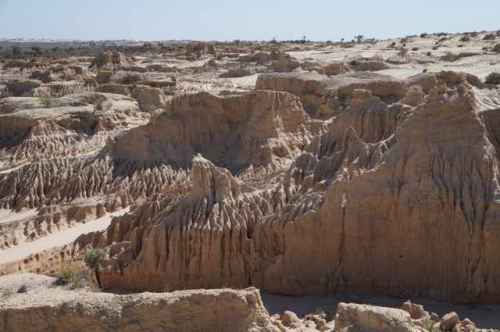
Somewhere in one of these layers, somewhere around this or one of the other dry lakes almost certainly lie more secrets about the history of this great continent and its first peoples.

Somewhere in one of these layers, somewhere around this or one of the other dry lakes almost certainly lie more secrets about the history of this great continent and its first peoples.

Aboriginal guides take tourist off the peripheral boardwalks onto the lunette. When we visited, they were not there so we travelled onto the sand with a local guide. Who told us the dunes were moving westerly at the rate of 3 metres a year.
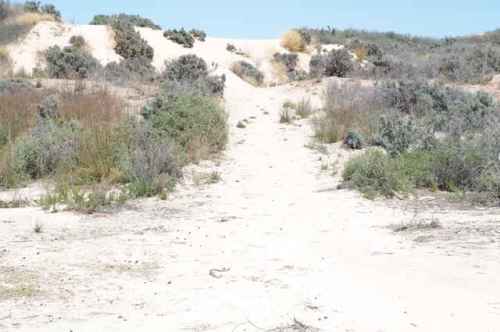
The back of the dune as it moves westward

The back of the dune as it moves westward

This is a landscape in action, in action in the past and now, when it shows so much of what has and is happening.

On to of the dune

On top of the dune

The lake bed which is now covered in bluebush or saltbush scrub, is home to emus and kangaroos while numerous other bird and fauna live in the national park.

Blue bush covers the dry lake bed
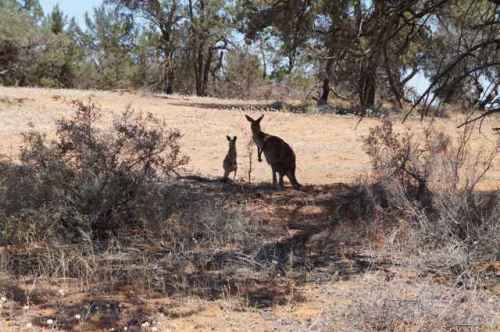
Blue bush covers the dry lake bed

Roos are quite curious until you get close. Lots of mums and bugs about in October

Roos are quite curious until you get close. Lots of mums and bubs about in October

On a second day of the visit we drove across the dry bed and around the outside of the lake. Here there are stands of Belah ( Casurina), rosewood, cypress pines, and my favourite, small forests of mallee gums
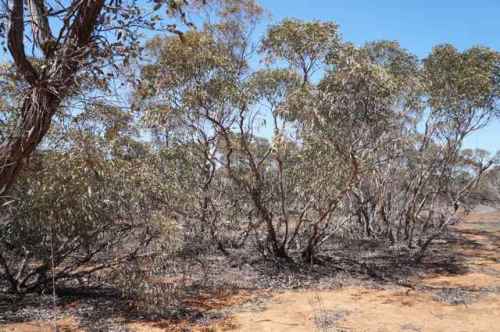
The mallee

The mallee

Near the smart newish galvanised tin visitors’ centre, the old shearers’ huts from the old homestead have been similarly refurbished to provide basic accommodation while a few k’s outside the park there is a camping site.

The old pastrolist families did it fought. when the temperature got too hot, they went down to steps to this dugout when it drops about 10 degrees.

The old pastrolist families did it tough. When the temperature got too hot, they went down the steps in this dugout when it is about 10 degrees cooler.

Sheep once grazed where the park is; the shearing sheds of the old homestead have been refurbished.

Sheep once grazed where the park is; the large shearing sheds of the old homestead have been refurbished.

Being a soft, city person I opted to stay at the private Mungo Lodge. This motel –style lodge with a central dining room also has budget accommodation. The charming Glen and Bec who run it have recently relocated from the Hunter valley with their 3 children who study via School of the Air.
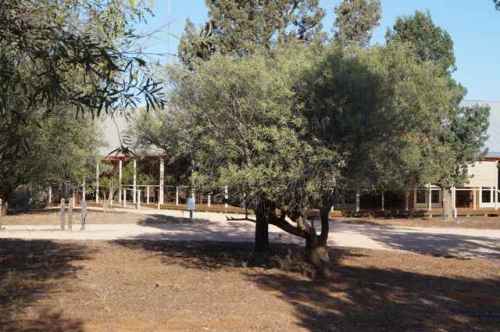
Mungo Lodge, the soft comfortable option

Mungo Lodge, the soft comfortable option

Can there be more to ask for than to visit an iconic site in the outback, be stimulated and overwhelmed by the great questions about mankind and the earth and then return to a glass of wine and a comfortable bed.

2015-10-27 13.42.05

4 Comments

Filed under Photography, Travel

Vietnam 2 – a 3 day roller skate through Hanoi…July 2015

Presumptuous to have a view about a city where you spend a long weekend but hey! I’ve seen well paid travel writers do it on less. Anyway, it’s more about the memories and the photos than any real analysis, so here goes:

Around the lake.

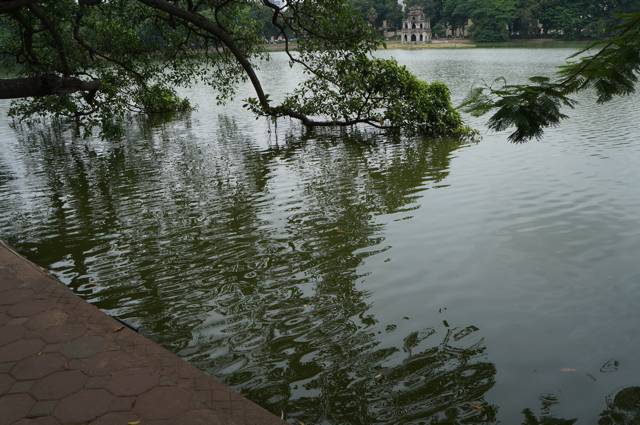
Ho Hoan Kiem (Hoan Kiem Lake) abuts Hanoi’s Old Quarter, the cultural and historic heart of the city. The lake is a wonderful, reflective, calm green surface which is in itself an insight into so much of Chinese painting. The Ngoc Son Temple (Temple of the Jade Mountain) sits on a small island on the southern end. Local people stroll around the tree lined lake, practise  at dance classes, do tai chi, play with children and generally relax

How many Chinese paintings did this remind me of?

How many Chinese paintings did this remind me of?

DSC05374

Chatting up the tourists

Having a dozzzzze by the lake

Having a dozzzzze by the lake

Being minded by nanna

Being minded by nanna

Fun in the open

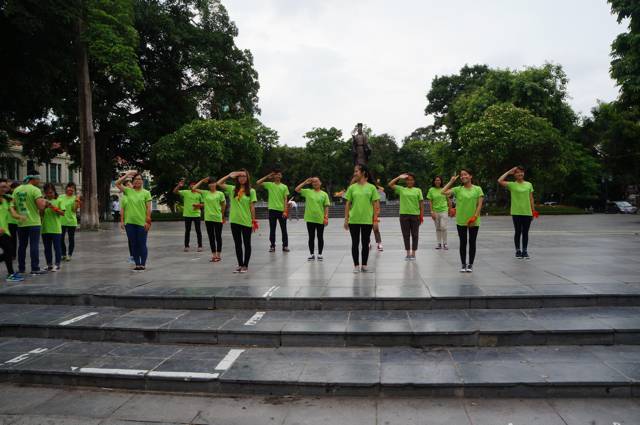
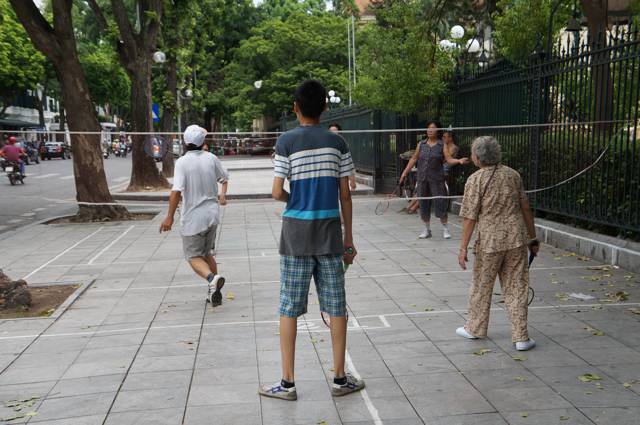
Much of life seems to be lived on the street in the centre of Hanoi. I saw schools practising their dance routines and tons of people playing badminton on the permanently marked courts along footpaths. My travelling companion was , unlike me, one for early morning walks when apparently the best of Hanoi is on display. The best reports were of up to 60 people at ballroom dancing class in the main square next to an equally large number seemingly attending laughter classes.

Students practising

Students practising

Roller skating

Roller skating

DSC05561

Here’s a great picture

Badminton!

Always the badminton!

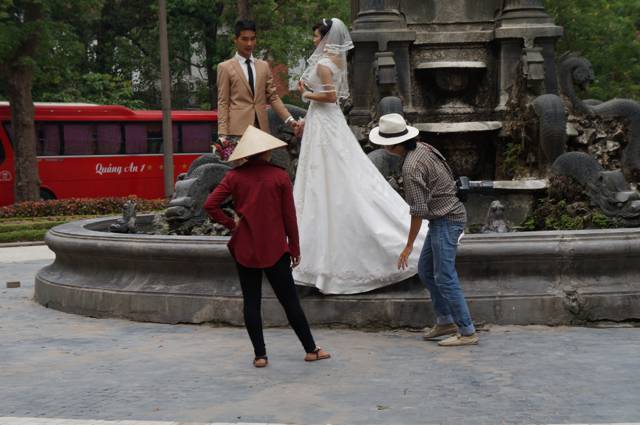
And of course, there were the ever present bridal photographs

DSC05544

DSC05546

DSC05383

We took an electric tourist car ride through the Old Quarter; narrow streets with discrete areas of speciality shops from suitcase to saucepans. Busy, life on the street again, this time commercial; here a temple, there a restaurant but all go!go!go!

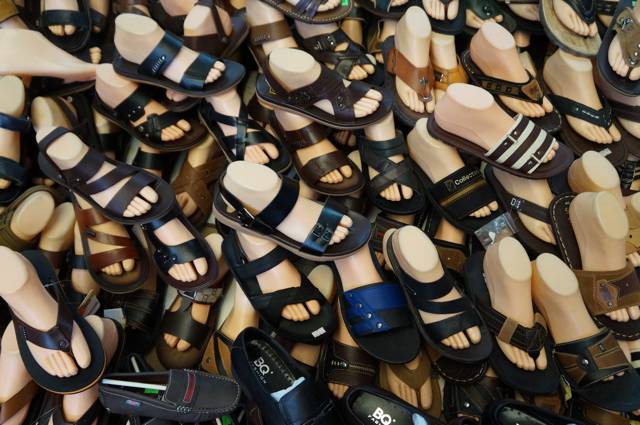
In the market building, some vendors went for the stylish presentation rather than the jumble bin approach.

DSC05353

DSC05350

Architecture

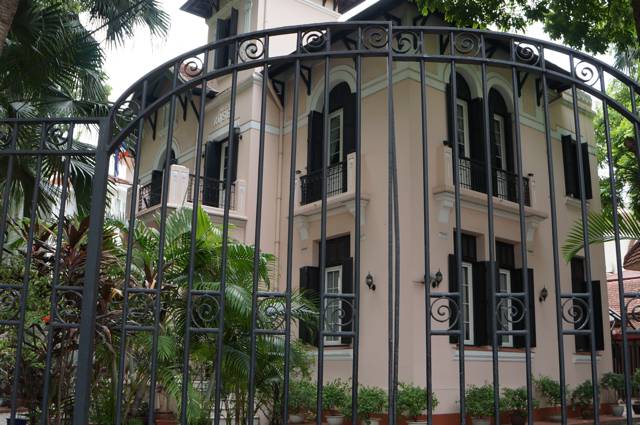
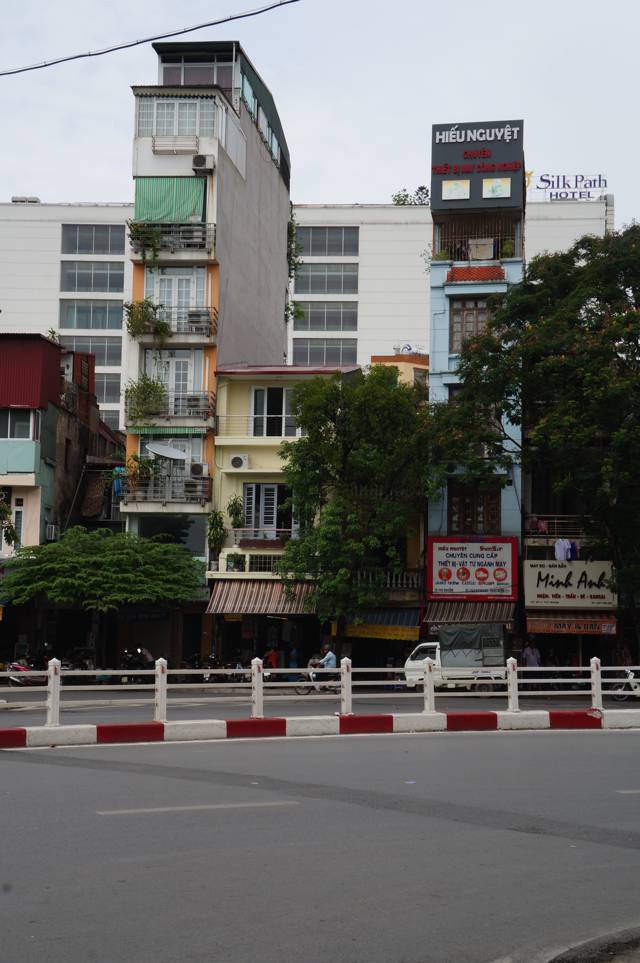
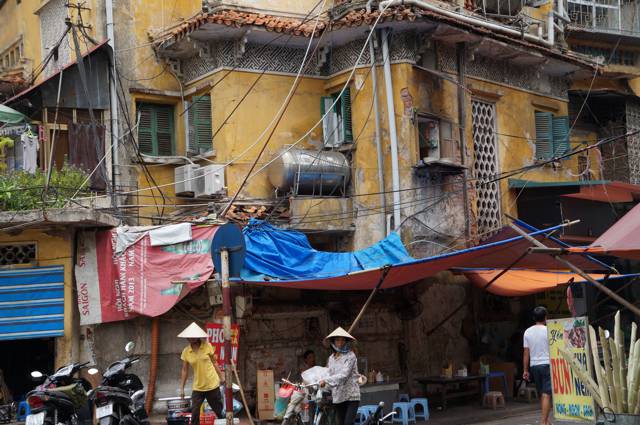
There’s the Old Quarter and then there’s the rest of the centre – a miss mash of sometimes refurbed and sometimes decaying French villas laid out in wide treed lined boulevards infilled with “the best that could be done at the time” in-fill. Some houses were so high and narrow there could be only one room on each floor; some were chaotic rearrangements of tumbling villas. Many of the commercial premises have been tacked onto what were once the small gardens of old houses and so they opened straight onto the motor scooter inundated footpath. The idea of a “building line” so dear to western town planners is a  fantasy in Hanoi. But it all hangs together with  cheerful ramshackle character.

One of the grand French buildings, now a government guesthouse

One of the grand French buildings, now a government guesthouse

DSC05474

Another villa – one of the foreign embassies?

Some are so narrow....

Some are so narrow….

While others just adapt

While others just adapt

Houses alone the disused tram track

Houses along the disused tram track

MUSEUMS AND TOURIST MAGNETS

Museum of Literature

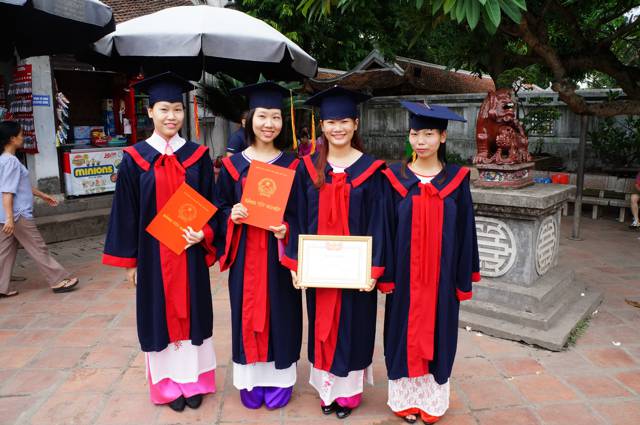
One of the most endearing sights was the group of young women graduates who came to pay tribute at the Temple of Literature,. In 1070 it was built as Vietnam’s first university and near as 1000 years later young women come to celebrate their graduation.

Before they donned their new academic robes

Before they donned their new academic robes

Proud as..

 and after….proud as..

The turtles corridor

The turtles corridor

And some cheeky topiary

And some cheeky topiary

Mao’s Mausoleum

It took almost an hour for the 3k queue to get us to the door of his resting place where smiling and flashily dressed young guards indicated with a warm gesture that sunglasses were to be taken off. What pictorial memory of Hanoi would be complete without this photo?

DSC05459

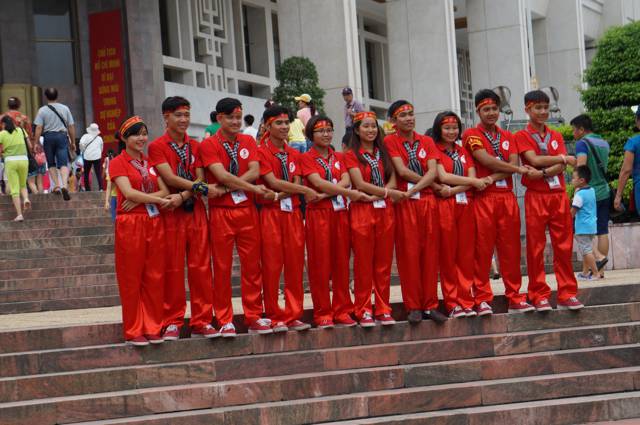
And a youth group who had come to the Mao Memorial for the day

And a youth group who had come to the Mao Museum for the day

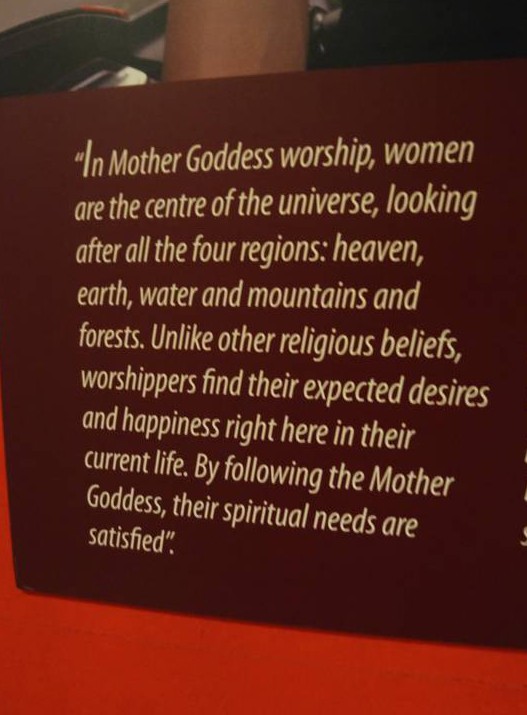
The Museum of Women was another on the roller coasting walk; it is smartly curated and this sign was memorable:

DSC05427

The Hanoi Hilton or Hao Lo Prison

This was a jail built by the French colonial government; its first prisoners arrived in 1899. The French kept mainly political prisoners here along with those awaiting sentencing at the nearby Court of Justice. It was originally built to house 500 inmates; at a peak in the early 1950s Hao Lo held 2,000 prisoners. During the Vietnam war American prisoners were held here with great kindness according to the panels describing their time; a view not consistent with some of the stories from those released prisoners.

DSC05449

A sculptural relief at the Hanoi Hilton

The last museum we had time to visit was the Museum of the Vietnamese Revolution. Well worth a visit; its wide 1950’s tiled corridors and rooms of glass cases and posters are a little evocative of Soviet influences but overall the museum details the people and the places that contributed to the struggle of the Vietnamese to attain freedom from French rule.

Life on the Street

From the chaos of the traffic to the groups of people sitting on low stools enjoying a footpath meal, there is much worth capturing in hanoi. I will let the pictures speak for themselves.

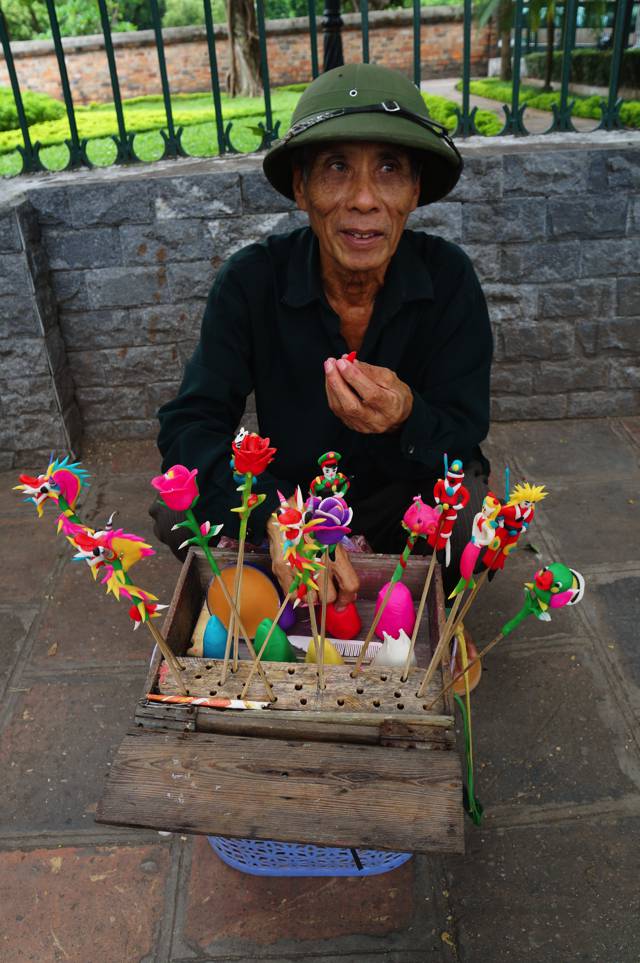
I have made these myself!

I have made these myself!

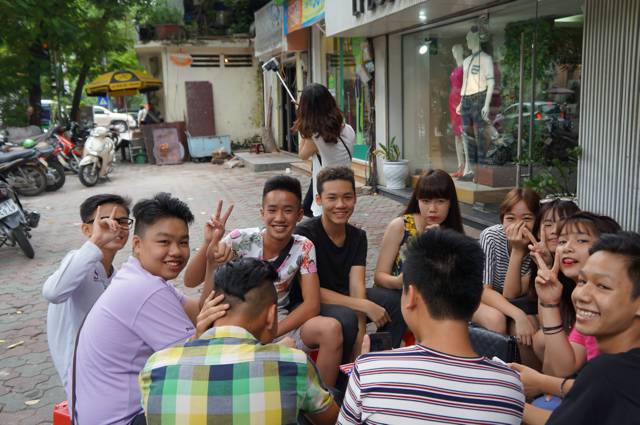
Students enjoying a meal

Students enjoying a meal

She could be in Paris or New York, an elegant woman reading the paper

Could be in Paris or New York, an elegant woman reading the paper

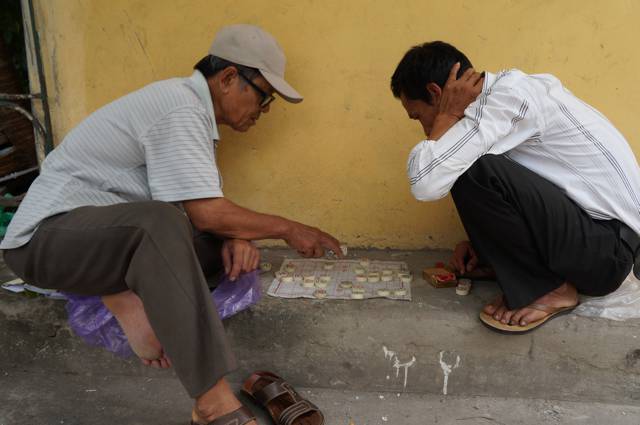
Always a board game

Always a board game

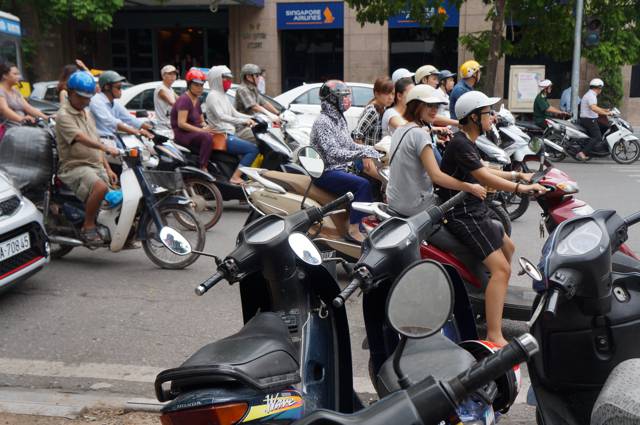
Who will ever sort this out?

Who will ever sort this out?

or this

or this?

Modes of transport

DSC05595

DSC05593

DSC05542

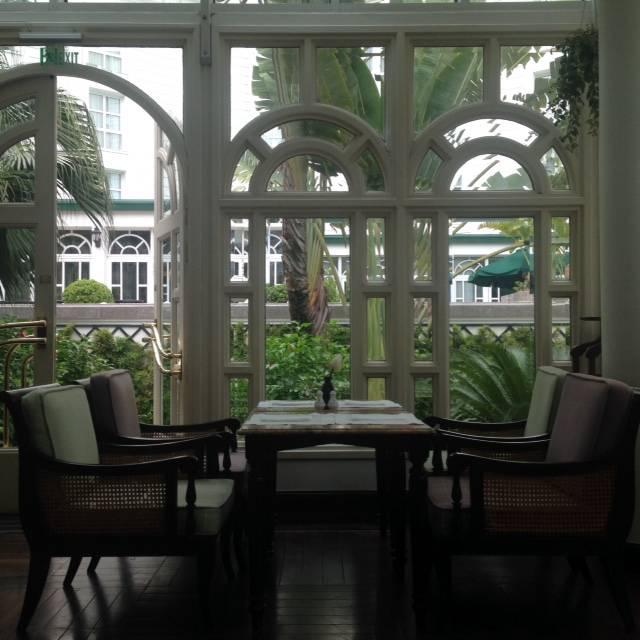
Finally… we stayed at the Metropole. One of the legend hotels. Its grand history boasts guests from Charlie Chaplin and Paulette Goddard on their honeymoon to Grahame Greene and Somerset Maugham, right through to their much loved Joan Baez and Jane Fonda.  And dozens as famous. Now there is a pool and perhaps the conservatory wasn’t there when Green sat to read of an evening?

IMG_4495

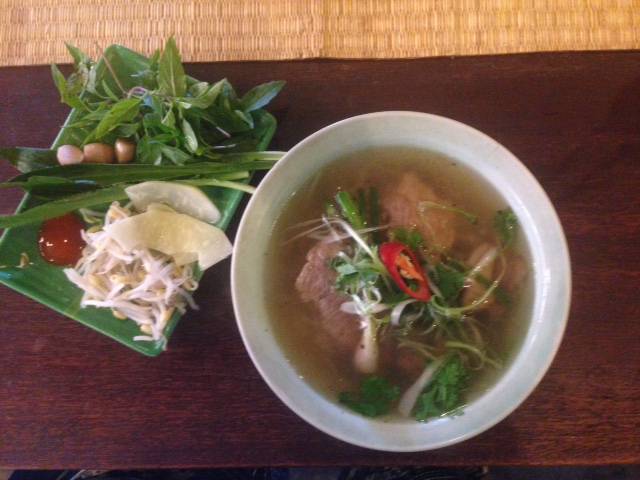
Great Pho

Great Pho

That really wasn’t the last word.

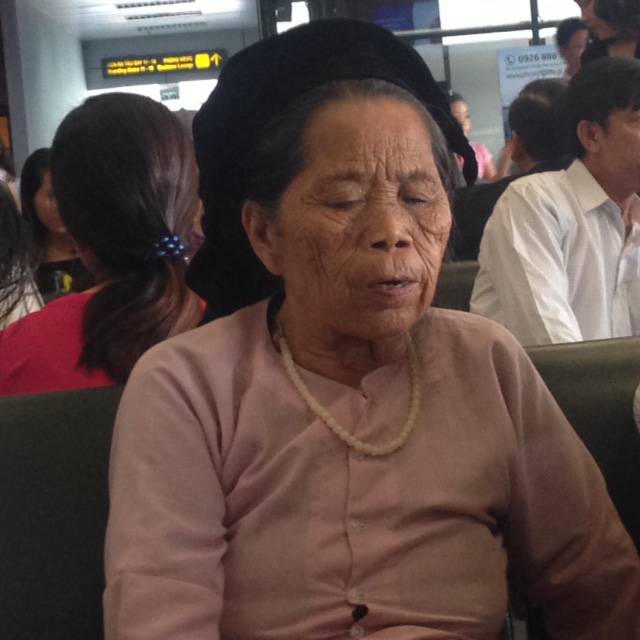
This woman sat opposite us at the airport leaving. She was flanked by two loving sons.

Her face seems to contain all the pain, determination and acceptance of Hanoi’s past. Bless.

IMG_4501

Leave a comment

Filed under Photography, Travel

Vietnam 1- Hoi An….July 2015

The bride is hoisted onto the roof of the American bunker that once guarded the beautiful, green green Hai Van Pass between Hoi An and Hue. For me this symbolises the new Vietnam; superimposing on the horrors of the past,  the creation of new memories.

Bride ascends American bunker

Bride ascends American bunker

She makes it!

She makes it!

You can’t know anything much after 2 weeks in a country but Vietnam was stamped into the psyche of my generation by the “domino theory” war. (How proud I am again that as a young student I marched in opposition to my government’s insane involvement.) Add to that the immigration of so many Vietnamese to my city, then I am off to a flying start.

The photos in this blog, as in my others, are essentially to remind me in years to come of the times I had there and I hope, in passing bring some pleasure to others.

To set the scene:

After nearly a century of French colonialism, the Viet Minh fought the first Indochina War which ended in partition. This saw the beginning of  the  civil war in 1954, later  involving the USA and its allies. After the North’s success,  North and South Vietnam were merged to form the Socialist Republic of Vietnam on 2 July 1976.  The war left Vietnam devastated, with the total death toll variously estimated to be between between 1.3 and 3.1 million.

Growth since has been rapid. In 2014 there were 90.5 million Vietnamese with 24% under 15. The country is tipped by some to be the fastest-growing of the world’s emerging economies by 2025 with a potential growth rate of almost 10% per annum.  

Cities of the centre:

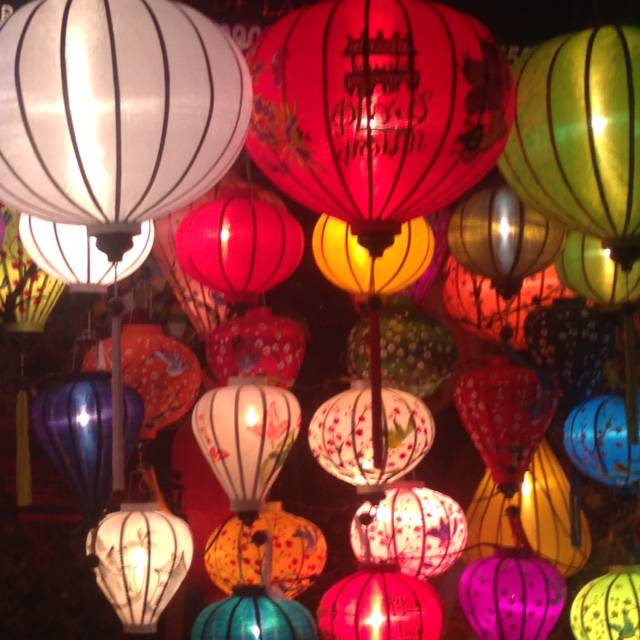
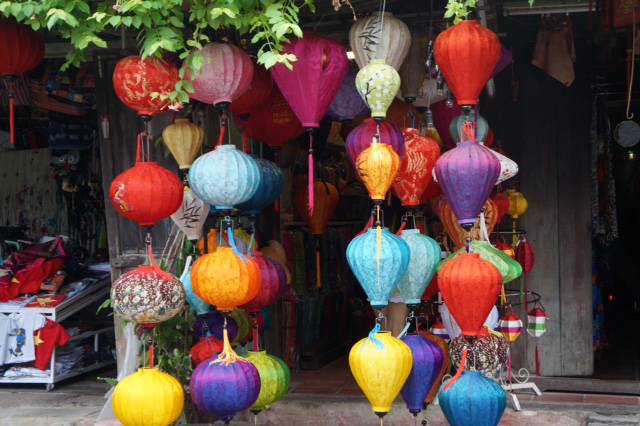
Hoi An  – city of lanterns – is a World Heritage listed town which retains the charm of the old despite the tourist numbers.

Hoi An - City of Lanterns

Hoi An – City of Lanterns

Lanters

Lanterns

DSC04896

More lanterns

Roller skating through the Da Nang  a few times, I saw the new Vietnam, a slick, affluent, neoned modern  CBD with the cutting edge architecture of the regional admin. centre and the sports stadia; a city fringed with huge resorts.

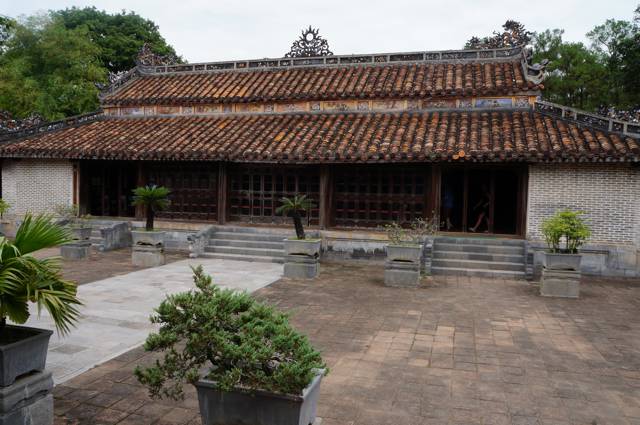
A flying visit to Hue was the first sight of the colonial French boulevards and in the architecture of the re-built  Imperial city with resonances of Chinese rule. (Vietnam was part of Imperial China for over a millennium, from 111 BC to AD 938).  

The old Imperial Palace, mostly rebuilt after American bombing destroyed so much.

The old Imperial Palace, mostly rebuilt after American bombing destroyed so much.

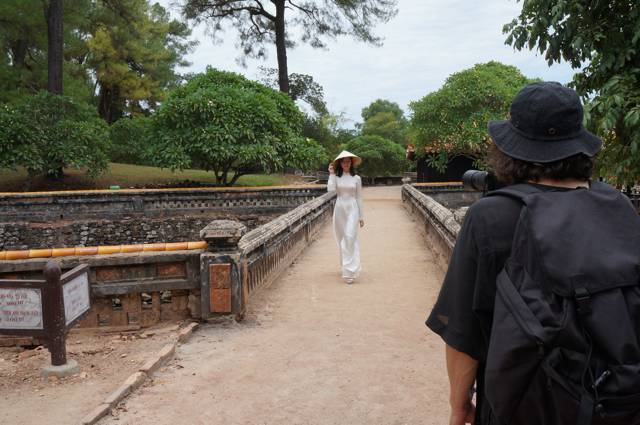
A young woman models for a Russian photographer what a sight it once might have been in the Hue Imperial Palace

A young woman models for a Russian photographer. What a sight it once might have been in the Hue Imperial Palace garden

Lining up for the return trip through the Japanese built tunnel under the Pass are  the smartest, newest  fleet of transport trucks I have ever seen.

Brides

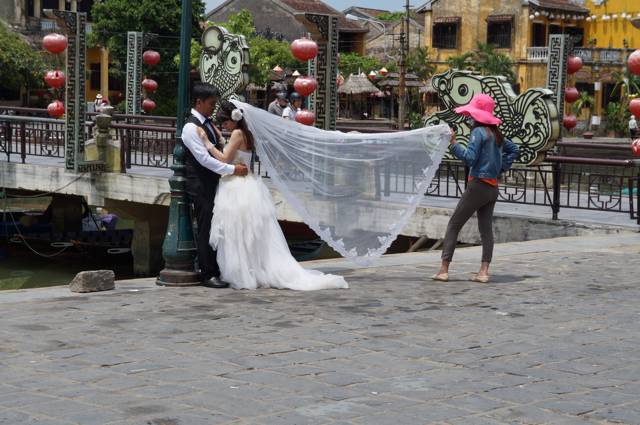
My starting image was the bride at Hai Van pass so it seems right that I should dwell on the many brides I saw being  posed for photos of their big days. The  arrangement of the shot takes great concentration to the total lack of interest of the passers-by. The ever charming Vietnamese are happy to share their best faces with an enthusiastic tourist.

DSC05325

DSC05166

The women of Vietnam

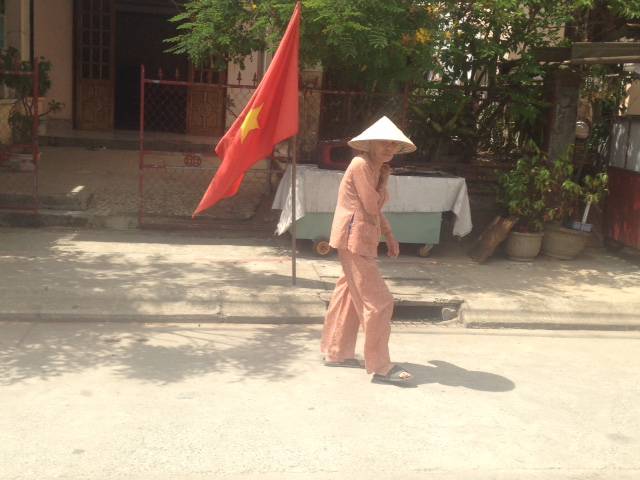
I was enchanted by the older women; there is an air of strength and endurance, a beauty that comes from having seen and perhaps suffered much. Significantly, the only three businesses we asked about – a food school, a hotel group and a tailor employing 130+ were all owned by women.

DSC04906

DSC04854

DSC05210

DSC05124

DSC05236

And perhaps my most favourite  of all:

IMG_3923

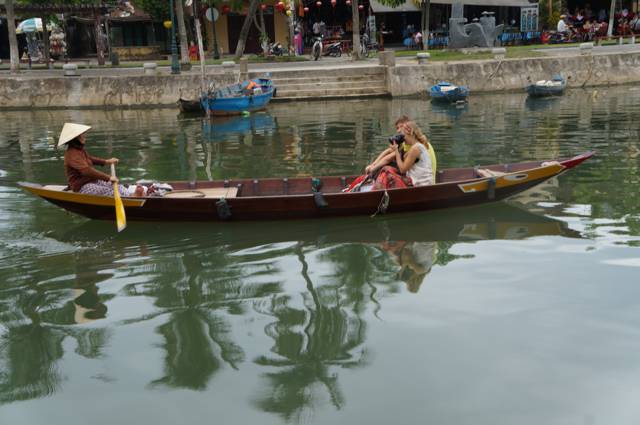
Hoi An is on the river and it seems that women particularly work the tourist waterways. At night moored barges provide bars and in the day ferries ply to the island loaded with the ever-present motor scooters

Could they add another scooter to this ferry?

Could they add person/another scooter to this ferry?

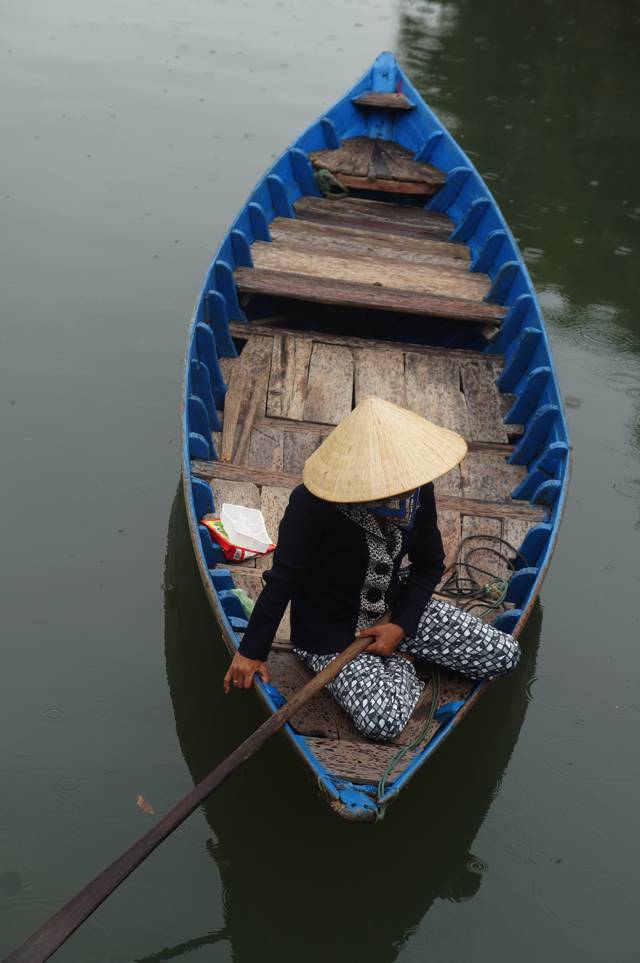
An older woman rows the tourists who photographer her

An older woman rows the tourists who photographer her

Fishing in reflected water

Fishing in reflected water

DSC05026

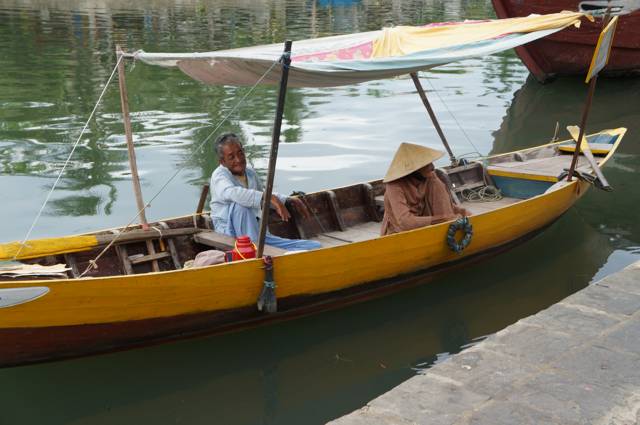
This couple who never seemed to get a customer looked to be in their 80s, a testament to hard work

The workers

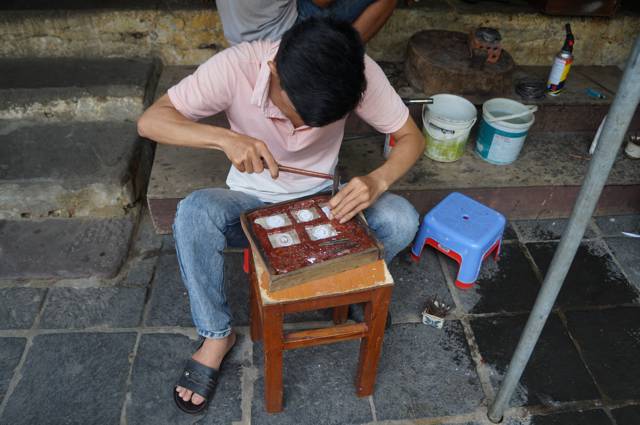
While Hoi An is essentially a tourist town now and its primary activities seem to be dressmaking for the tourists and feeding them,on the streets there are still signs of traditional craft being followed.
Stamping silver

Stamping silver

Mending watches

Mending watches

Making lanterns

Making lanterns

Untangling fishing lines

Untangling fishing lines

And, of course, praying

And, of course, praying

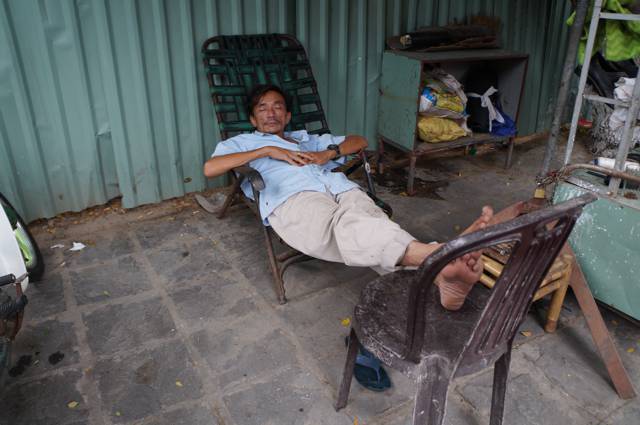
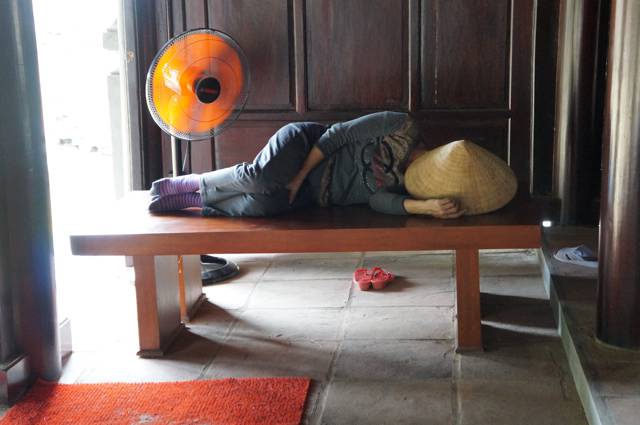
Some work so hard in the heat, they just need to sleep

Some work so hard in the heat, they just need to sleep

DSC05265

Food

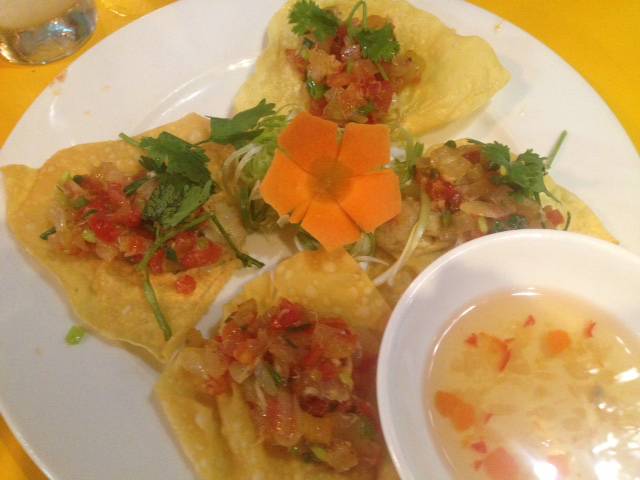
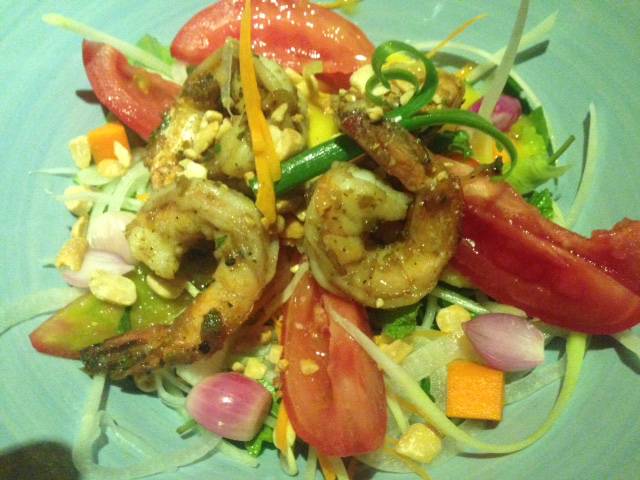
One can’t go to Vietnam without taking about the food. In Hoi An, Madam Vy seems to have it sewn up with four restaurants and a cooking school (minimum US$25 for a 2 hour course and 3 of these a day plus longer more expensive classes. There was no shortage of takers. A favourite, Mango Mango, boasts a winning chef not just cooks.
DSC04879DSC05082

IMG_3590

IMG_3576

IMG_3921

IMG_3632

Masks

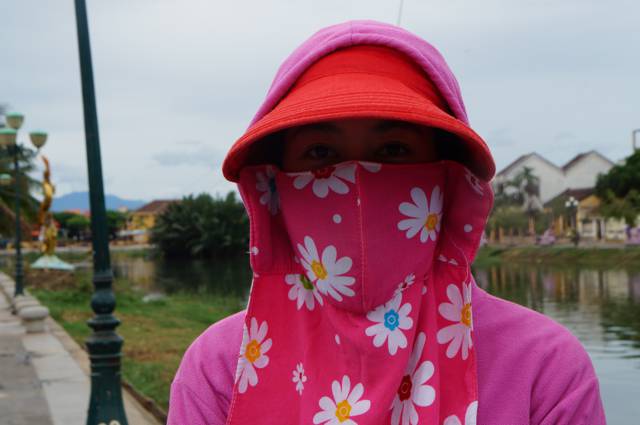
I gave into my OCD tenancy photographing these. So many scooter drivers and a few pedestrians wore colourful face coverings. One lass told me it was to keep the sun from the skin. Pollution didn’t seem high but perhaps they were a protection from motor scooter fumes. As a fashion statement a patterned mask was often combined with a floral hoodie and different patterned pants. The sight of a scooter woman in high heels, tight skirt, helmet and mask dotted the traffic

DSC05046

DSC05128

.DSC05126

DSC05168

DSC05140

But you can’t talk about the scooters without talking about cyclos. There are 130 in Hoi An and one night we saw up to 3 dozen lined up taking tourists, mostly Chinese or Korean, in a single file experience through the town

DSC05156DSC05121

Buildings

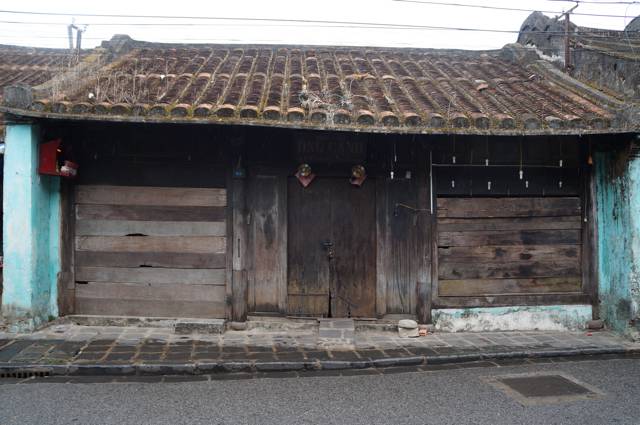
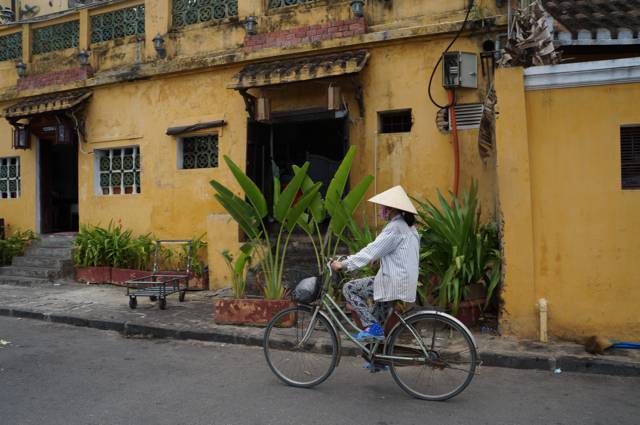
Hoi An is a UNESCO world heritage site.The street scape is dominated by the pumpkin coloured, French influenced 19th/20th century buildings. A few old traditional wooden houses remain  while Chinese architecture is represented in a small number of Chinese Community Centres.

FullSizeRender

DSC04884

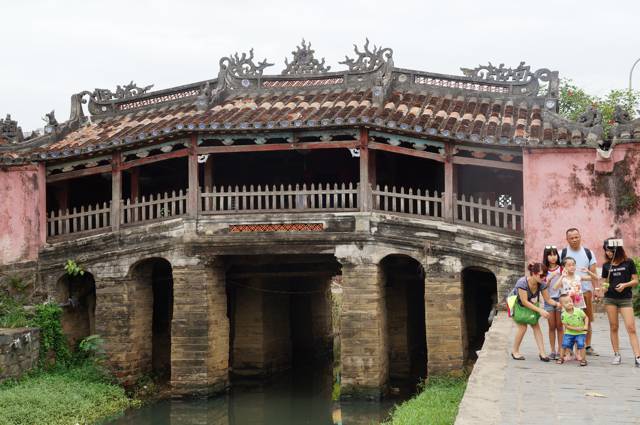
Note the family taking a selfie by the rebuilt Japanese Bridge

Note the family taking a selfie by the rebuilt Japanese Bridge

DSC05133

When you travel, it is common to glimpse a passing scene, a life, an oddity or an amusement that fits nowhere neatly. Here are a few from Hoi An :

DSC05294

DSC05295

Selfie

Selfie

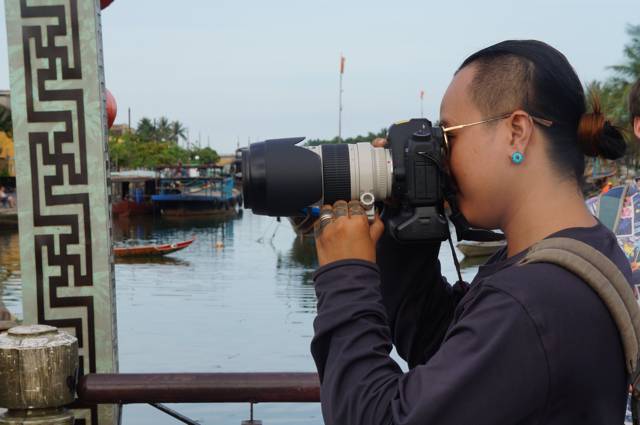
Serious photographer

Serious photographer

Leave a comment

Filed under Photography, Travel